
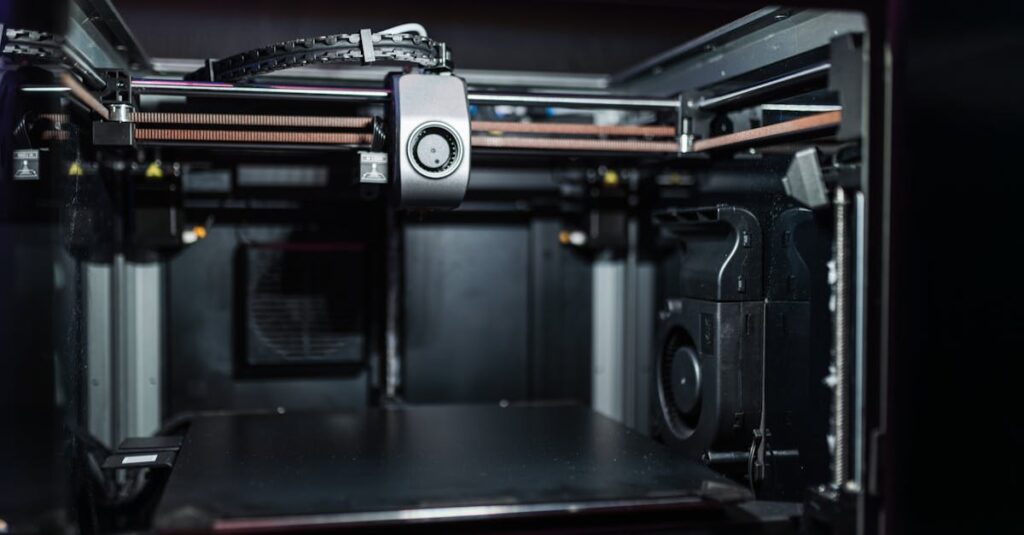

In a world where dreams can be printed layer by layer, 3D printing filament manufacturers are the unsung heroes of creativity. They transform humble plastic into everything from intricate sculptures to life-saving medical devices. With a dizzying array of materials and colors, these manufacturers fuel the imagination of makers, hobbyists, and professionals alike.
Table of Contents
ToggleOverview of 3D Printing Filament Manufacturers
3D printing filament manufacturers play a pivotal role in the additive manufacturing ecosystem. These companies create various filament types, including PLA, ABS, PETG, and nylon, catering to different printing needs. They also provide unique finishes and colors, enhancing the aesthetic appeal of printed objects.
Some manufacturers specialize in eco-friendly materials, appealing to environmentally conscious consumers. Others focus on high-strength filaments suitable for industrial applications, which require durability and reliability. Emerging technologies within the industry allow for the development of specialty filaments infused with composites, metals, or even color-changing properties.
The quality of filament significantly influences print accuracy and surface finish. High-quality manufacturers ensure stringent quality control measures, including consistent diameter and minimal moisture absorption, which contribute to better printing results. Each filament spool often undergoes performance testing, ensuring that it meets the high standards expected in the industry.
Many of these companies are located in regions known for innovation, such as North America and Europe, allowing them to stay competitive in a rapidly evolving market. Collaboration with research institutions often leads to innovations that push the boundaries of what’s possible in 3D printing.
As the demand for customized and complex designs grows, filament manufacturers adapt quickly. They continuously introduce new materials, staying at the forefront of technology. The breadth of options available encourages creativity across different sectors, from prototyping to final product manufacturing. These manufacturers enable creators to explore and experiment, further driving advancements in the 3D printing landscape.
Types of 3D Printing Filaments
Different types of 3D printing filaments cater to distinct needs and applications, enhancing the versatility of 3D printing. Each filament type offers unique benefits, properties, and usability in various projects.
PLA Filaments
PLA, or polylactic acid, is a popular choice due to its biodegradable nature and ease of use. This filament emits a mild scent while printing, appealing to many users. It provides excellent layer adhesion, resulting in smooth and detailed prints. PLA works well at lower temperatures, typically around 180 to 220 degrees Celsius. Many 3D printing enthusiasts appreciate its vibrant color options. Suitable for non-functional prototypes, educational projects, and decorative items, it serves diverse applications.
ABS Filaments
ABS, or acrylonitrile butadiene styrene, offers superior strength and durability compared to other filaments. It withstands higher temperatures, with printing temperatures usually between 210 and 250 degrees Celsius. This filament is known for its impact resistance, making it ideal for functional parts and mechanical components. Users often prefer it for its ability to be easily post-processed through sanding and painting. While it requires better ventilation during printing due to fumes, many makers appreciate its versatility. It’s commonly used for automotive parts, toys, and household items.
PETG Filaments
PETG, or polyethylene terephthalate glycol-modified, combines the best features of PLA and ABS. This filament stands out for its strength, flexibility, and chemical resistance, making it suitable for a range of applications. It prints at temperatures from 220 to 250 degrees Celsius, often requiring a heated bed to prevent warping. Many users favor PETG for its food-safe quality, although confirming specific brands is essential. It’s commonly used for functional prototypes, containers, and protective components, appealing to those looking for reliable performance.
Leading 3D Printing Filament Manufacturers
Manufacturers in the 3D printing filament industry play a pivotal role in shaping innovation. Each company brings unique materials and technologies to the marketplace.
Manufacturer A
Manufacturer A stands out for its extensive range of biodegradable filaments. Producing high-quality PLA and specialty blends, it caters to environmentally conscious creators. Eco-friendliness meets functionality with their innovative formulations, which also include vibrant colors. Advanced quality control measures ensure that every spool of filament meets strict industry standards. Through collaboration with academic institutions, Manufacturer A actively participates in research projects, leading to breakthroughs in sustainable materials.
Manufacturer B
Notable for its robust nylon and PETG offerings, Manufacturer B emphasizes performance and versatility. Their nylon filaments exhibit exceptional strength and durability, making them ideal for demanding applications. PETG filaments provide the best of both worlds, balancing rigidity with flexibility. Manufacturer B’s commitment to customer satisfaction includes comprehensive support and resources, aiding users in selecting the right filament for their projects. Industry partnerships enhance their product development, resulting in innovative solutions for professionals.
Manufacturer C
Manufacturer C specializes in high-performance industrial filaments, including advanced composites. Their selections frequently incorporate carbon fiber and glass fiber, delivering unmatched strength in applications. The company focuses on delivering filaments that meet specific engineering requirements, appealing to technical users. Rigorous testing protocols ensure reliability and consistency with every batch. Continuous investment in R&D fosters innovation, securing Manufacturer C’s status as a leader in high-strength 3D printing materials.
Factors to Consider When Choosing a Manufacturer
Choosing a 3D printing filament manufacturer involves several critical factors. First, evaluate the range of materials offered by the manufacturers. Some might specialize in environmentally friendly options, like biodegradable PLA, while others focus on high-performance materials, such as nylon or advanced composites.
Consider the quality of filaments as a key aspect. Look for manufacturers who implement stringent quality control measures. High standards in production lead to optimal print accuracy and surface finish, essential for achieving desired results in functional and decorative projects.
Check the manufacturer’s reputation in the industry. Leading manufacturers often receive recognition for their commitment to innovation and consistency. Researching customer reviews and industry feedback can provide insights into their reliability and product performance.
Assess the manufacturer’s focus on research and development. Companies investing in R&D tend to offer specialty filaments tailored to specific applications, meeting the evolving demands of users. This investment in innovation plays a significant role in enhancing creative possibilities.
Analyze the customer support provided by the manufacturer. Strong customer service can aid in selecting the right filament and troubleshooting printing issues. A knowledgeable support team ensures that users have a positive experience throughout their printing journey.
Finally, consider pricing and availability. Competitive pricing, combined with timely delivery, can significantly influence the overall value of choosing a particular manufacturer. Ensure that available options align with your budget and project needs.
Future Trends in 3D Printing Filament Production
Innovation in 3D printing filament production continues to shape the industry. Manufacturers increasingly focus on sustainability by developing biodegradable options that mimic traditional materials. Eco-friendly alternatives, like advanced PLA blends, are gaining traction among creators prioritizing environmental impact.
Technological advancements are also leading to stronger and more versatile filaments. Companies are experimenting with composite materials that combine various polymers, enhancing performance for specific applications. Customization capabilities are expanding. As demand grows for tailored solutions, manufacturers respond by offering individualized filament options.
Quality control remains a top priority. Rigorous testing methods ensure that filaments meet strict performance standards, preventing issues during the printing process. Enhancements in production techniques are also on the rise. Automation and 3D printing technologies streamline filament creation, boosting efficiency and consistency.
Collaboration with research institutions is becoming more prominent. Partnerships facilitate the development of specialty filaments designed for advanced applications, such as aerospace and medical devices. Increased investment in research and development highlights the competitive nature of filament manufacturing.
Emerging market trends showcase a shift toward hybrid materials. These filaments blend properties from different sources, enabling users to achieve unique results. Furthermore, cloud-based design software integration simplifies the customization process for users, making it more accessible.
Lastly, the growth of online communities and marketplaces fosters collaboration among makers. Feedback loops between manufacturers and end-users foster continuous improvement and innovation in filament types. As the 3D printing landscape evolves, manufacturers stay ahead by adapting to changing demands and implementing cutting-edge solutions.
Conclusion
The impact of 3D printing filament manufacturers on the industry can’t be overstated. They not only provide the materials that fuel creativity but also drive innovation through their commitment to quality and sustainability. As the demand for specialized filaments grows manufacturers are poised to adapt and evolve, ensuring that creators have access to the best options available.
With a focus on eco-friendly solutions and advanced materials the future looks bright for both manufacturers and users alike. As technology advances and customization becomes more prevalent the collaboration between manufacturers and creators will undoubtedly lead to exciting developments in the 3D printing landscape.


