
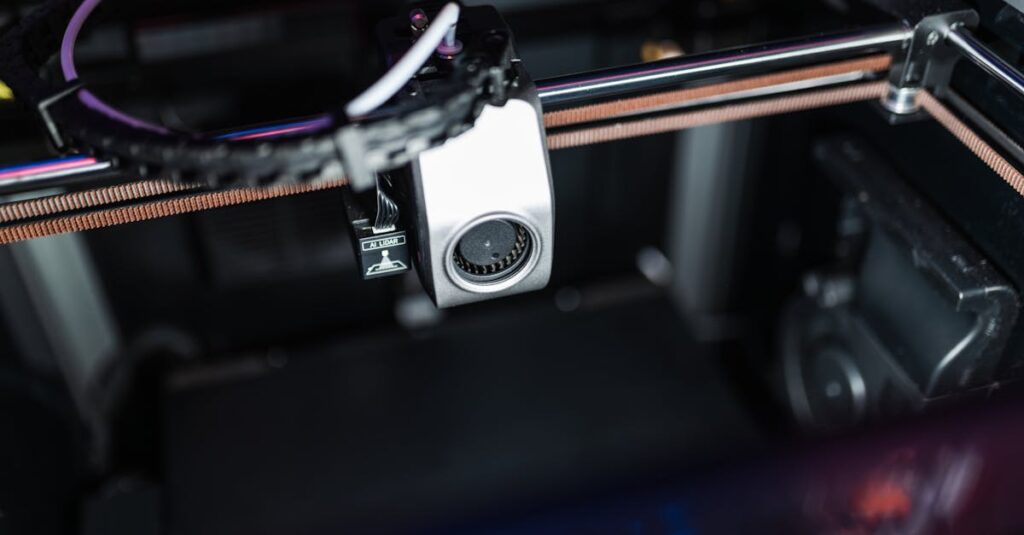

In the world of 3D printing, filament extruder systems are the unsung heroes, turning raw materials into the lifeblood of creativity. Imagine a magical machine that takes plastic pellets and transforms them into the colorful threads that bring ideas to life. It’s like watching a caterpillar morph into a butterfly, but with a lot more heat and fewer wings.
Table of Contents
ToggleOverview of Filament Extruder Systems
Filament extruder systems play a crucial role in the 3D printing industry. These systems convert plastic pellets into usable filament through a heating and extrusion process. Raw materials, typically thermoplastics like PLA or ABS, undergo melting inside the extruder. Once melted, the material is forced through a nozzle, forming a continuous strand of filament.
Different types of extruders exist, including single screw and twin screw configurations. Single screw extruders are simpler and more commonly used, while twin screw extruders offer enhanced mixing and better temperature control. Each type caters to specific needs and production volumes, depending on the requirements of the user.
Filament diameter is a critical factor in ensuring print quality. Most systems produce filament in standard diameters of 1.75mm or 2.85mm. Consistency in diameter affects the flow rate of material during printing, impacting the final output. Calibration plays a key role in achieving and maintaining the desired filament specifications.
Materials for extrusion are diverse, with options extending beyond traditional plastics. Researchers explore biodegradable alternatives and composite filaments that incorporate materials like carbon fiber or metal powders. These innovations in filament materials enhance both the strength and versatility of printed objects.
Cost efficiency remains a significant advantage of filament extruder systems. Producing filament in bulk reduces material costs compared to purchasing pre-made spool options. The ability to recycle failed prints or plastic waste into new filament further adds to sustainability efforts within the 3D printing space.
Types of Filament Extruder Systems
Filament extruder systems come in various configurations, each designed for specific applications within the 3D printing industry.
Single Screw Extruders
Single screw extruders operate using a single rotating screw to push plastic pellets through a heated barrel. They excel in processing thermoplastics like PLA and ABS. This design allows for efficient melting and mixing of materials. Manufacturers often favor them for their simplicity and ease of operation. Consistent filament diameter depends on the precise control of temperature and feed rate, which this system provides. Examples of applications include creating filaments for consumer-level 3D printers or prototyping.
Twin Screw Extruders
Twin screw extruders feature two intermeshing screws, enhancing mixing and compounding capabilities. They are particularly effective for processing a broader range of materials, including composites and biodegradable plastics. This configuration allows for greater flexibility in filament formulation, accommodating varying material properties. High shear rates improve material homogeneity, resulting in superior filament quality. Industries often use twin screw extruders for specialized applications requiring complex filaments with unique properties.
Key Features to Consider
Filament extruder systems vary widely in their features. Focusing on specific aspects helps ensure effective performance in 3D printing applications.
Material Compatibility
Material compatibility plays a vital role in the performance of extruder systems. Different types of plastics like PLA, ABS, and PETG require specific conditions for optimal extrusion. Ensuring the system supports various materials enhances versatility. Systems accommodating biodegradable options expand sustainability efforts. Assessing whether the extruder can handle composites also significantly impacts printed part strength. Some extruders perform better with high-temperature materials. Evaluating material specifications beforehand can prevent issues during the extrusion process.
Temperature Control
Temperature control directly affects filament quality during extrusion. Maintaining precise temperature settings ensures materials melt adequately without degradation. Systems featuring advanced temperature monitoring provide reliable results in real-time. Variability in temperature can lead to inconsistencies in filament diameter. Systems with adjustable heating elements allow for fine-tuning based on material properties. Integrating proper cooling methods can also enhance filament stability. Evaluating temperature control systems ensures effective performance across various thermoplastics.
Advantages of Filament Extruder Systems
Filament extruder systems offer several key benefits for the 3D printing industry, enhancing production efficiency and output quality.
Cost Efficiency
Bulk filament production significantly reduces material costs. By transforming plastic waste and failed prints into new filament, these systems promote sustainability. Manufacturers can often cut expenses on purchasing pre-made filament, especially when operating at scale. Moreover, the initial investment in a filament extruder can pay off quickly through savings on purchased materials. Overall, these factors contribute to cost-effective solutions in various applications.
Quality of Output
High-quality filament production is essential for achieving reliable prints. Consistent diameter throughout the filament enhances material flow during the printing process. Filament extruder systems with advanced temperature control ensure optimal melting and extrusion of various thermoplastics. When precise settings are maintained, degradation risks decrease, resulting in better overall filament strength and aesthetics. Enhanced mixing capabilities of twin screw extruders also improve the uniformity of composite materials, further elevating print quality.
Challenges in Filament Extrusion
Filament extrusion presents several challenges that can impact production quality and efficiency.
Common Issues
Temperature fluctuations often lead to inconsistencies in filament diameter. Variances can cause jams or uneven material flow, ultimately compromising print quality. Contamination of raw materials poses another significant issue. Impurities can introduce defects into the filament, affecting its performance during printing. Additionally, operators may encounter difficulties in achieving a uniform blend of materials, particularly with composite filaments. Without precise mixing, the final product may display inconsistencies which result in weaker prints. Regular monitoring of moisture content in materials also remains essential. Excess moisture can degrade filament quality by causing bubbling during extrusion.
Maintenance Requirements
Regular maintenance ensures the longevity and efficiency of filament extruder systems. Cleaning the nozzle and barrel routinely prevents material buildup that may hinder performance. Observing wear on critical components like the screw and barrel also contributes to optimal operation. Inspecting seals and gaskets for wear minimizes leaks and maintains pressure during extrusion. Operators should calibrate temperature settings frequently to ensure accurate heating profiles for different materials. Documentation of maintenance schedules aids in tracking performance and identifying patterns. Focusing on preventive maintenance can yield better filament quality and extended equipment lifespan.
Conclusion
Filament extruder systems play a pivotal role in the 3D printing landscape. They transform raw materials into high-quality filament that fuels creativity and innovation. By understanding the nuances of different extruder types and their specific applications, users can enhance their production efficiency and print quality.
Investing in a filament extruder not only cuts material costs but also supports sustainable practices by recycling waste. With proper maintenance and attention to detail, these systems can ensure consistent filament diameter and optimal extrusion conditions. As the 3D printing industry continues to evolve, the significance of filament extruder systems will only grow, making them indispensable for both hobbyists and professionals alike.


